Stories of Human Migration: The Movement of the Glacier
❄️ A follow-up story that connects Chapters Early Humans and Migration in the History Album. and build a bridge towards The Work of Ice in Geography Album🌍✨ It invites children to explore how early humans—those same beings who first walked out of Africa with curious minds, skillful hands, and hearts open to one another—had to face the greatest chill Earth could offer: the Ice Ages. 🧊💨 As giant glaciers crept across the land like frozen rivers, humans adapted, observed, and migrated, always seeking warmth, food, and safety. They followed the animals, crossed land bridges revealed by dropping seas, and spread into new lands reshaped by ice. This story invites children to revisit the great human migrations and discover how nature, especially climate—continues to shape where and how people live. It branches from the timeline of human beings and connects invisibly to all migration stories: not just because we could move, but because we had to. 🌐🧭 It sparks wonder: “How long ago was the last Ice Age? Could another Ice Age come again? When first hunter gatherers arrived in North America?” 🗺️
HISTORY STORIES
11/25/20253 min read
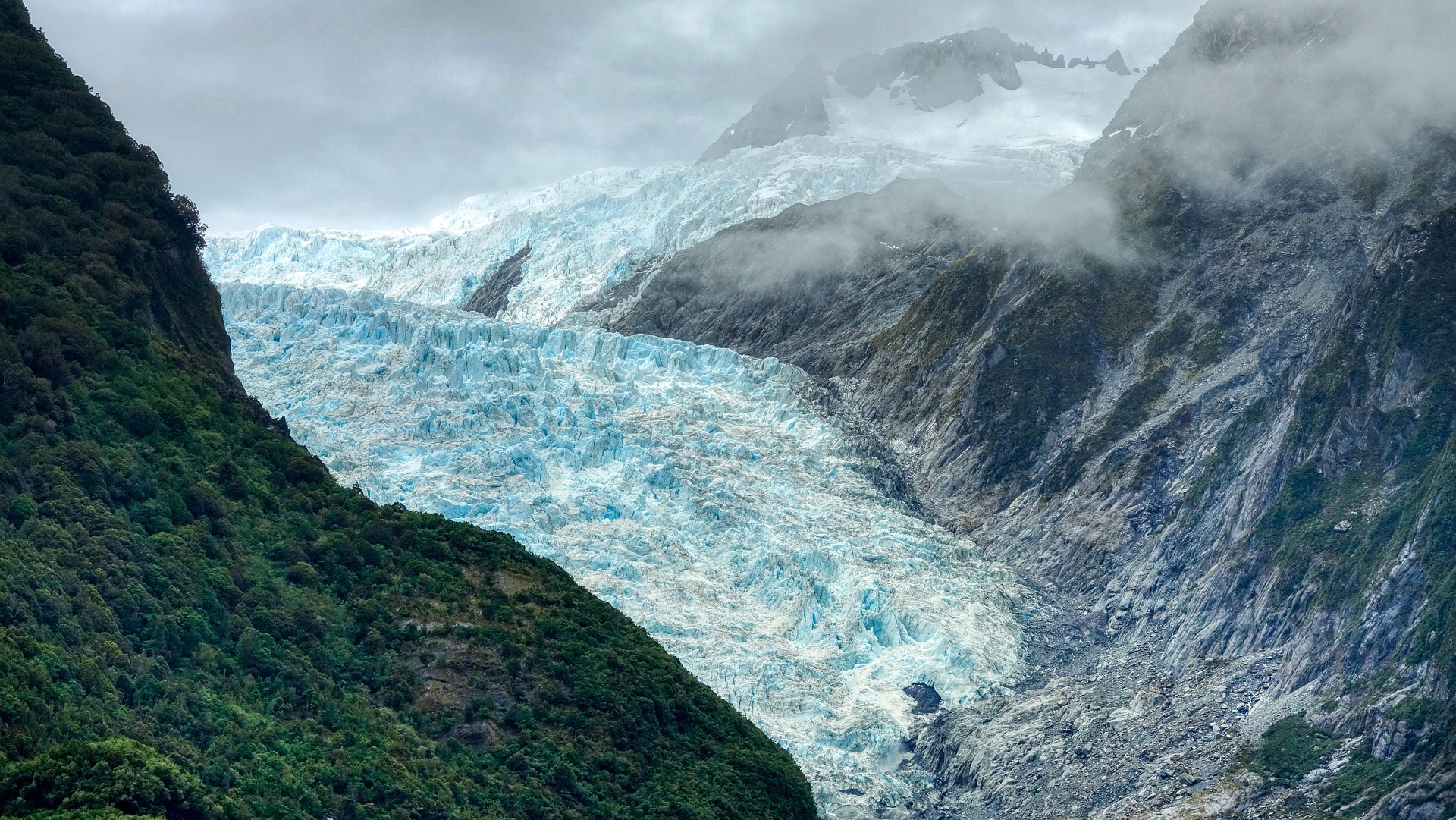
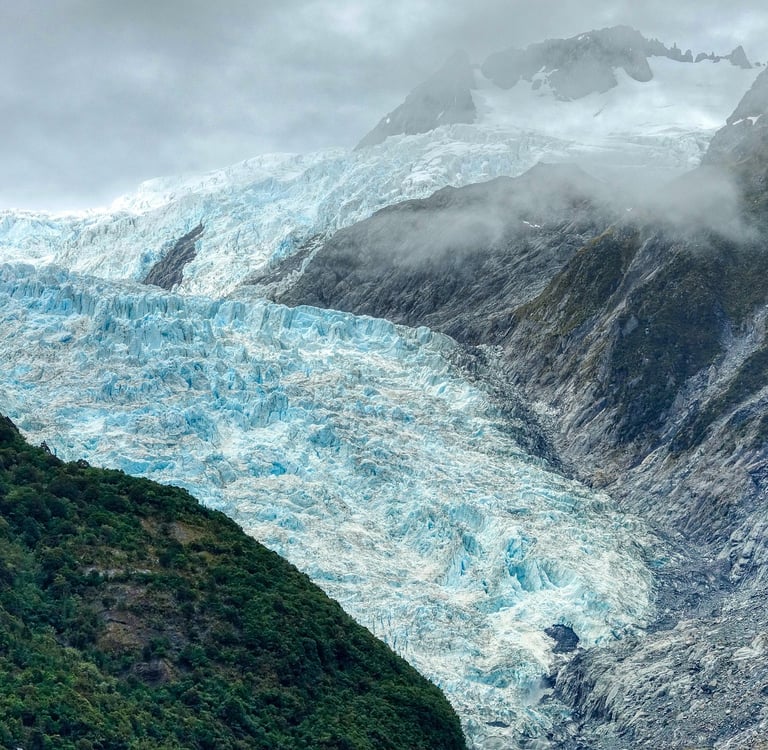
🌍 Do you remember the story of the nomadic hunters who followed mammoths, gathered roots and berries and migrated with the seasons? They lived in forests, caves, and open plains, always moving to meet their needs. They were strong, clever, and brave. 🌲🐘🔥 That nomadic communities didn’t disappear—even today, some still move with the seasons, carrying ancient knowledge of the land and how to live in harmony with it.
When humans first appeared on Earth, it wasn’t during a warm and easy time. The Earth had spent billions of years preparing herself: building mountains, filling oceans, shaping rivers, and testing all kinds of life experiments—spiky creatures, furry ones, those with wings, fins, shells, or claws. And then—after all that time—humans arrived, with three very special gifts: 🧠 a mind to imagine and remember, 🤲 hands to build and create, ❤️ and a heart that could love beyond its own kind. But the Earth had one more surprise. It was a time when the winter came… and stayed. ❄️🧊
This wasn’t the kind of winter you see from your window—the kind that crunches under your boots or melts into muddy puddles. This was a never-ending winter. It snowed in spring. It snowed in summer. It snowed and snowed until the snow piled so high it became heavy, pressing into itself, the ice grew so thick, so heavy, it began to move—🧊🐌slowly sliding like a giant frozen slug. 📍Like on this chart . These rivers move slowly , but they are powerful. This is how a glacier is born: a river of ice, creeping across the land with such power it can crush forests, carve valleys, and roll boulders the size of trucks like pebbles. 🪨💨
🌨️ Imagine snow falling in winter and never melting. At first, you might shout, “Yay! We can sled all year! Snowball fights forever! ”—but don't forget a small important detail. You have no sled. No boots. No coats. No mittens. No houses. No roads, no shops, not even socks. You’re wrapped in mammoth fur, sleeping in a cave, hoping your fire doesn’t go out. This is no snow day. This is the Ice Age.
And as glaciers grew, people had to move.They could not build fires big enough, or make coats thick enough. They could not stay. The animals moved, the plants disappeared, and so did the people.They followed the rivers, the herds, the shelter of warmer lands—migrating to meet their needs. 🧭 And something extraordinary happened…
As glaciers grew, they drank up huge amounts of water from Earth’s oceans.🌊 Sea levels dropped. Land that had been hidden underwater now rose up like secret paths across the sea.
🌊 This is how the first people crossed from Asia to North America: across a land bridge now hidden beneath the sea. Without glaciers, the Bering Land Bridge would never have appeared. ❄️🌍👣 Many othr bridges appeared, but that's a story for you to discover.
For all the time that humans have lived on the Earth the ice has come and gone, come and gone. We call these long frozen chapters the Ice Ages. Scientists named at least four major Ice Ages in the last 300,000 years.
🌬️ Can you imagine what it would feel like to be a child during one of these cold times? Just 20,000 years ago, you wake up in different Earth.❄️ The trees will be frosted, the rivers frozen, and most of North America and Europe will be covered with solid sheets of ice—like someone forgot to close the Earth’s freezer door! 🧊🌍 You won't go to school, you would go to gather wood, learn to tame fire, and wrap yourself in fur. At night, you listen to stories of forests turned to frost, valleys swallowed by snow, and that fun moment someone mistook a giant ice boulder for a sleeping bear and ran as fast as he could. 🐻🪨
And when glaciers melted, they left shapes and stories—📍 look at this chart. The glacier is gone, we can see deep valleys, U-shaped canyons, rocky riverbeds, fjords, enormous boulders, and layers of ancient soil. Even today, scientists are discovering fossils, pollen, and even frozen animals like woolly mammoths inside glaciers!
Living in the ages of Ice was an adventure!🌄🧭 Glaciers helped early humans move across the Earth. They created bridges. They helped our ancestors adapt living not just in one place—but everywhere.
🔍 I wonder… When was the last Ice Age and how long it was? When first hunter gatherers arrived in North America? What about reaching Australia, New Zealand?❓What stories did people tell about the glaciers? Could another Ice Age come again one day?
❄️ Possible Follow-Up Glacier Exploration:
🧊Choose a glacier from a continent and research :
Is it growing or shrinking?
How long, wide, or thick is it?
What tools do scientists use to study its icy layers?
What stories or legends do local people tell about it?
🗺️ Make a map the World’s LargestGlaciers
Draw and label a world map with the largest existing glaciers.
🧊 Build a Glacier Diorama
Model a glacier using materials like ice cubes, baking soda, or paper mache.Show how it carves the land: valleys, moraines, boulders.
🎙️ Become a Glacial Reporter
Write a news report: “Breaking Ice: The Return of the Ice Age?” Interview a glacier and ask how it’s feeling these days. 😄 Is it melting? What secrets has it seen?
With Montessori joy,
Vanina 😊