Stories of Human Migration: Clearing the Land
🌱 A follow-up story that connects three chapters in the History Album. 🏞️✨ It invites children to witness the powerful turning point when humans moved from wandering hunters to settled farmers—clearing forests, taming land, and growing food in one place. 👣🌽 With the help of Impressionistic Chart, this story shows how the land changes after people move on—and how nature gently reclaims what was once cleared. From the first seeds sown beside riverbanks to the rise of early villages and great civilizations, this moment in time connects deeply with human innovation, experimentation, and the creation of new tools, homes, and ways of life. 🛖🌾 It branches invisibly into the History Question Charts and sparks wonder: “What crops did they grow? What tools did they use? How did they take care of the soil and water? Are any ancient methods still used today?" 🌍💭
HISTORY STORIES
11/27/20255 min read
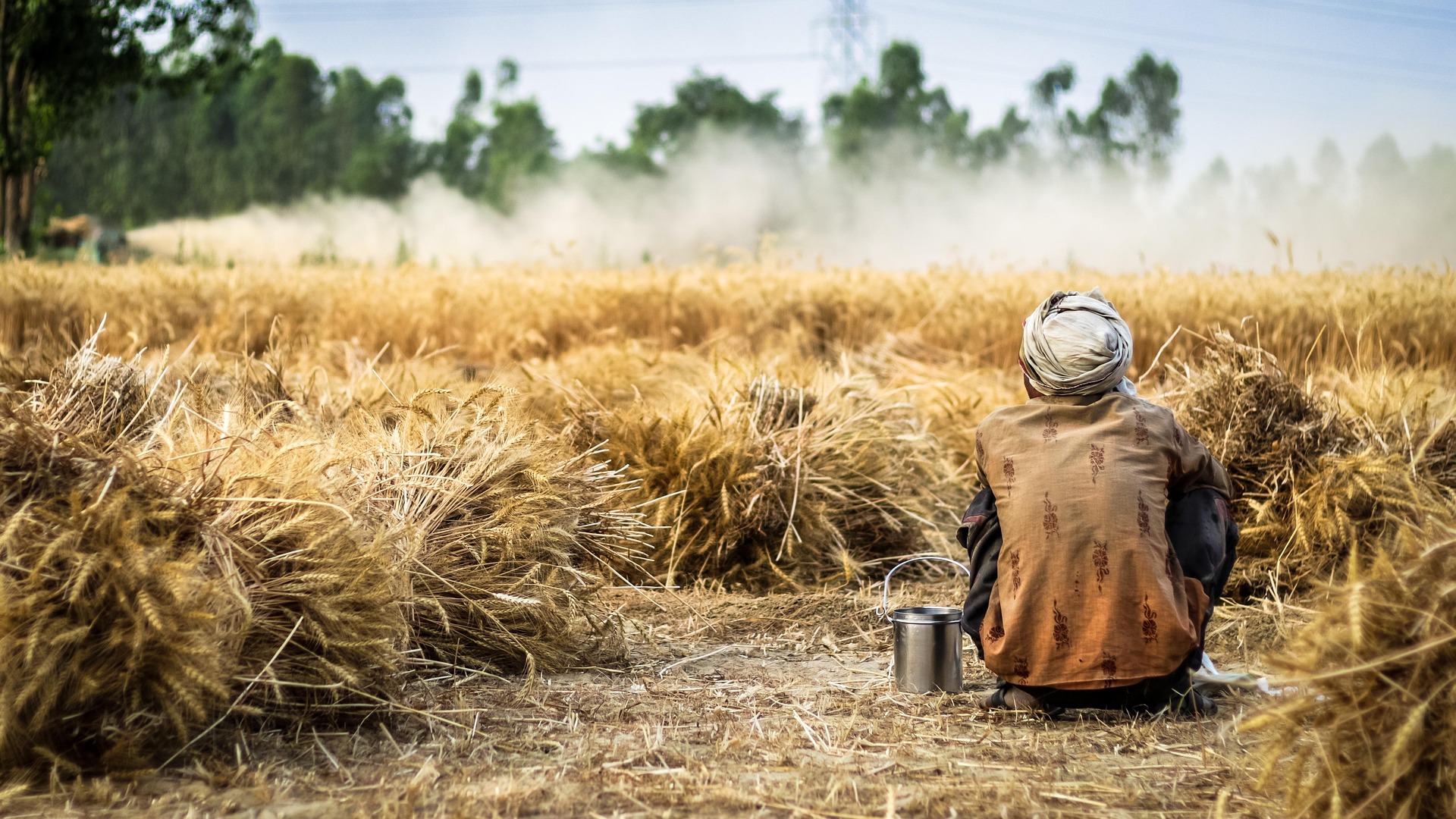
🌾 Long ago, our ancestors moved with the rhythm of nature. They followed herds, gathered roots and fruits, and slept under stars. But something changed. One day, someone noticed that the seeds they dropped began to grow. Tiny green shoots poked through the earth — food, right where they were! No more chasing. No more wandering. The first gardens were born. 🪴🌦️
To grow more, people cleared patches of forest. They removed trees 🌳, dug the roots, burned what they couldn’t cut. And the land changed. They chose land near a fresh water source—perhaps a river or spring—to settle. And this marked the beginning of farming. Imagine the endless experiments: Which seed grows better? When is the best time to plant? How much sun, how much water? To become farmers, humans had to be curious observers, careful planners, problem solvers, and very, very patient. 🧠🪴👀
They also became inventors. With crops to care for, people needed tools—digging sticks, baskets, early plows. They built permanent homes that didn’t need to fold or be carried. And yes—this is also the beginning of another big story: the first taming of animals. But we’ll save that one for another day. 🏡🐐🔧
Imagine the feast of the first harvest! Grain ground into flour, fruit dried in the sun, vegetables cooked in clay pots. Maybe there was singing, maybe dancing, maybe a recipe so tasty it’s been passed down for thousands of years. 🎉🥣🌽
Season after season, people planted the same crops, which pulled the same minerals from the soil again and again. Eventually, the land grew tired. The harvests became smaller, no longer enough to meet their needs. But being clever problem-solvers, people did what they had always done: they moved. They cleared nearby land and began again. The old field—empty now—was left behind. And slowly, nature returned. First weeds and grasses, then bushes, animals and finally tall trees… like silent visitors, creeping back to reclaim the space. 🌾🌳🌧️
On this chart, we see that exact story: the land full of life, then cleared by people, and then—when people move on—life begins to return. It’s a quiet reminder that the Earth knows how to heal, if given time.
This was one of the most important migrations of all—not across the land, but into it. Into the soil. Into seasons. Into community. People now lived together in villages, helping one another build, plant, harvest, and protect. 🌍💧They had to work together, to make rules and follow them in order to live in peace and harmony.
And what about being a child back then? If you lived in one of these early farming villages, you wouldn’t wake up to go to school… but you’d still have responsibilities. You might gather eggs, carry water, help grind grain into flour, chase the goats back into the pen, or help scare birds away from the crops. Maybe you’d be the best at weaving rope, or baking bread, or telling the weather by the shape of the clouds. 🌦️🥖🐓
Humans discovered something important: if we do not care for the land, the land will not care for us. A silent agreement in nature. Care, and you will be cared for. 🌿🤝
Some early farmers even discovered that returning food scraps and animal waste to the earth to feed the soil. Others began rotating crops, planting different plants each season so the land could rest and recover. They watched how worms wriggled through rich soil, how the leaves of healthy plants glowed green, and how pollinators help the plants too. This is how agriculture was born, a word meaning “field cultivation”, cultivating the fields became more than survival… it became a relationship with the Earth. 🌾🪱🌱
Today, thanks to farmers, food can be grown in great abundance. Some still grow just enough to feed their families, while others farm to nourish entire cities. But to do this, humans have cleared vast amounts of land. Long ago, Europe was blanketed by ancient forests—almost 80% of its land. Today, only around one-third remains. In North America, nearly half the original forests have disappeared over the past 400 years. 🌍🌳
But this story is not just about clearing the land —it’s about our ancestors and their mgiration journey. It marks one of the most important shifts in human history: when we began settling down, building permanent shelters, gathering in villages, and eventually, forming great civilizations. 🏺🏡🛕
🌱 I Wonder… When were the first farmers? Near which rivers did they settle? What were the first crops they began to grow?How did they protect their crops without fences or sprays?Which animals were the first to be domesticated? Are any ancient methods still used today?
🌏Possible Follow-Up Explorations
🧪 Try a simple composting experiment — what breaks down fastest? Banana peel, leaf, paper, or eggshell?
✏️ Write a Journal Entry: “A Day in My Life as a Child Farmer” — Imagine you are a child living in an ancient farming village. What is your job? What kind of house do you live in? What do you eat? What tools do you see the adults using? What animals live near you? What do you build or help with? Is there a festival for the harvest?
Choose a Chart from the History Question Charts and a folder with an early civilization and explore further, what was their life or what type of tools they used and what they produced?
Most people know about farming along the Nile in Egypt—but did you know that Africa has many other ancient civilizations that farmed with clever tools, irrigated lands, and built whole cities with food they grew? Some even wrote books about farming!
🌾 Mesopotamia (Fertile Crescent)3500 BCE – 539 BCE
🐄 Indus Valley (modern-day India & Pakistan 2600 BCE – 1900 BCE
🌾Ancient Egypt (along the Nile River) 3100 BCE – 30 BCE
🏞️Ancient China (Xia to Qin Dynasties) 2100 BCE – 221 BCE
🌿Ancient Nubia / Kingdom of Kush – Present-day Sudan 2500 BCE – 350 CE
🌽 Nok Culture – Central Nigeria 1500 BCE – 300 CE
🌾 Ancient Carthage – Tunisia/North Africa 800 BCE – 146 BCE
🐄Bantu Agricultural Migrations– Central & Southern Africa 1500 BCE – 500 CE (and beyond)
🌾Aksumite Empire – Present-day Ethiopia & Eritrea 100 CE – 940 CE
🌱Tichitt Culture – Ancient West Africa (modern-day Mauritania) 2000 BCE – 500 BCE
🏔️Andean Civilizations (South America) Caral/Norte Chico: 3000 BCE – 1800 BCE or Chavín: 900 BCE – 200 BCE
🌱Mesoamerica (Maya, Olmec, etc.) Olmec: ca. 1500 BCE – 400 BCE or Maya: 2000 BCE – 900 CE (Classic), to 1500s CE (Postclassic)
🏜️Ancestral Puebloans (Anasazi) –Southwestern U.S. (Colorado, Arizona, New Mexico, Utah) 100 CE – 1300 CE
🌄Mississippian Culture–Southeastern U.S. (Illinois, Mississippi River Valley) 800 CE – 1600 CE
🌾Hopewell Culture(Eastern Woodlands, Ohio River Valley, U.S.) 100 BCE – 500 CE
🌻Adena Culture (Precursor to Hopewell, Ohio Valley) 1000 BCE – 200 BCE
🐚Hohokam–Desert Southwest (Arizona) 1 CE – 1450 CE
🌍Agriculture Today
Research what crops are grown in your region or country.
You might create a Planting Calendar for modern crops.
When is each crop planted and harvested in ancient times and today?Do different crops need different amounts of water or sunlight?How do farmers know when to plant?
Going Out 🛒 Local vs. Global Food Webs
➤ Go on a food origin hunt (at home or in a market)
Which foods in the grocery are grown locally?
Which foods come from far away?
Why do bananas often come from Ecuador, or rice from Thailand, or grapes from Chile?
What are the advantages and challenges of eating locally vs. globally?
With Montessori joy,
Vanina 😊