🪟 How Windows Changed the Way We See the World 🏠
🌍 A follow-up story that branches from the Human Geography chapter in the Geography Album. 🏠✨ It invites children to reflect on one of humanity’s oldest needs: shelter and how that need has been answered with creativity and adaptation in every corner of the globe. From igloos built of snow in the Arctic ❄️ to sun-dried clay homes in deserts 🏜️, humans have always looked for ways to build safe places to rest, sleep, and live. And with walls came windows 🪟openings for light, air, and a view of the world beyond. This story follows the journey of windows through time, inviting children to marvel at human creativity. It branches naturally into the study of how people adapt to their environments, use natural materials around them, and create tools and systems that reflect both need and culture. It leaves children wonder:💭 How is glass made ? What’s so special about the windows on the Space Station?
GEOGRAPHY STORIES
2/3/20263 min read
From the beginning, humans have needed shelter. They watched animals: bears digging dens 🐻, birds weaving nests 🪺, beavers building lodges 🦫. We heard in other stories how our ancestors did not first build homes at all — they used caves as shelter. Later, inspired by animals and guided by their own curiosity, humans used their clever hands and began building homes too, using whatever the Earth offered them. 🛖🌍
In cold places, shelters were made of wood, stone and snow ❄️. In hot places, they were built from mud and palm leaves 🌴. Elsewhere, from wood, clay, reeds, bamboo, bricks, cloth, or hides.
But these early shelters had a problem…They were dark inside. Light and fresh air could only come through the door — which meant bugs, heat, cold, and rain came in too. ☀️🦟🌧️❄️
So humans asked a question: “Can we let the light in… without letting everything else in?” And just like that the window was born. 🪟It wasn’t called a window yet — that word came later, from Old Norse vindauga, meaning “wind eye.” It was literally a hole to let in wind and light!
At first, a window was just a small hole in the wall — sometimes covered with animal skin or woven cloth or reed mats. In ancient Egypt, small high openings helped cool homes and keep insects out. While in ancient China and Japan, people used greased paper to cover the openings, letting light in but blocking wind and dust.
All over the world, people experimented with ways to cover that hole in the wall. While in Romans tried something new — muscovite, a shiny crystal that could be split into thin, flaky layers and still let light pass through. ✨🪞 Almost like nature’s own window! 🔍💡 It wasn’t truly transparent like modern glass, but it worked.
Through many experiments, people learned how to transform Earth’s materials into something completely new: glass. 🏺🌍But the early glass was cloudy and uneven, with bubbles and bugs trapped inside. It took many more centuries to perfect glassmaking. And because large sheets were difficult to make, windows were built from many small pieces — like a puzzle of light.
🎨 And people being creative, made stained glass windows, using tiny pieces of colored glass, turning sunlight into glowing pictures. 🌈 These windows weren’t just practical, they were part of stories and legends.
Windows became a way to see the world, and even a form of art. 🏛️ As people learned how to make flatter glass sheets, real windows became more affordable, and ordinary homes began to have them. But don’t think those early windows gave a clear view! The glass was often wobbly, zoomed, and dancing
And for hundredts of years, windows stayed small. Not like today, where a single sheet of glass can stretch from floor to ceiling — so clear you might walk straight into it without noticing! 💥🪟 It took centuries of experimenting to make glass smooth, strong, and nearly invisible. Today, you can even find windows so large they are taller than two streetlights stacked on top of each other! 😲
Once people had glass in their wind holes, a new problem arrived…What if the sun was too bright? ☀️ What if it got too hot during the day… or too cold at night? ❄️What if you wanted privacy while changing your clothes? 👕😅
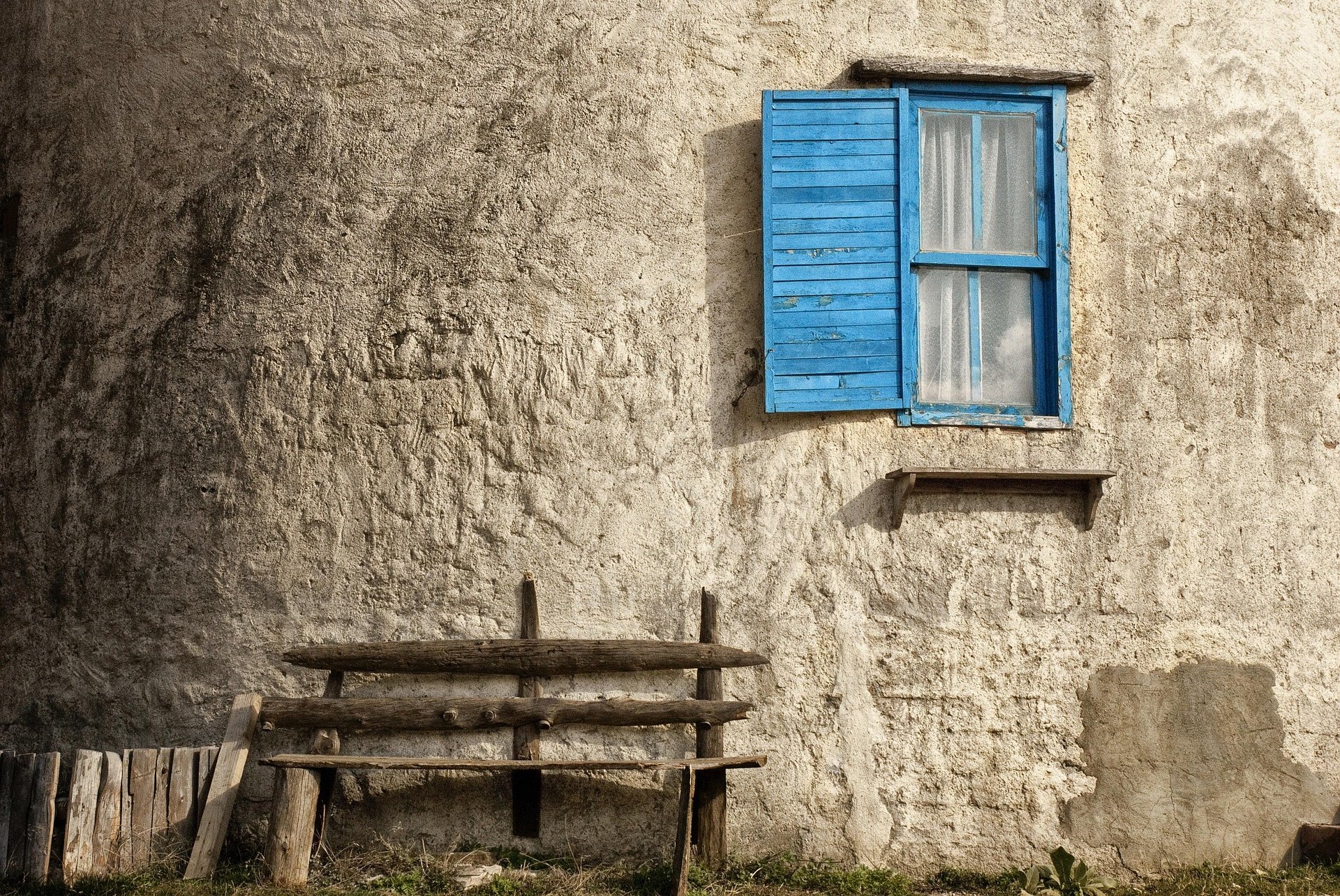
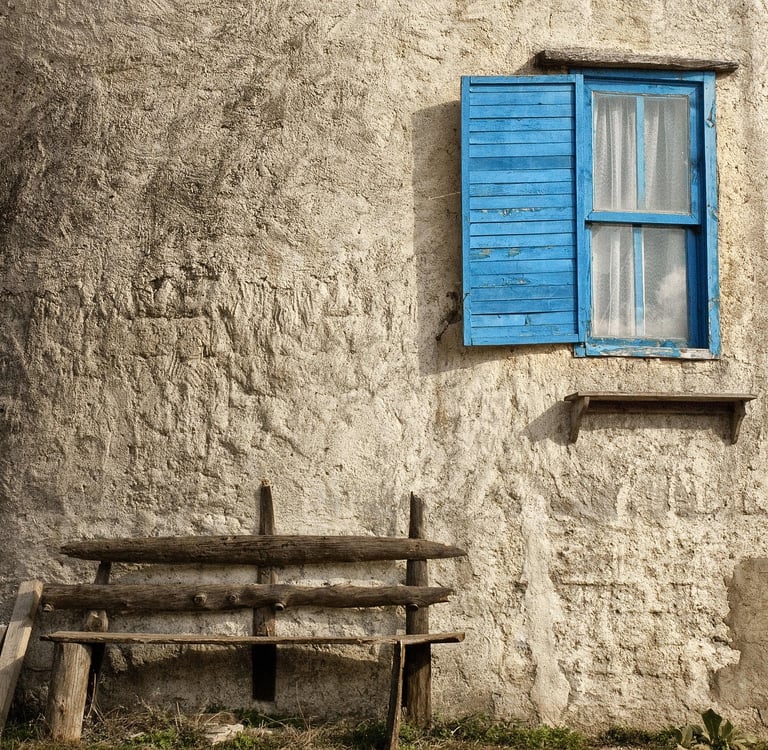
So humans kept inventing. They added shutters — large panels that opened and closed. Some had grooves to let air and light through, others were carved or painted. Some still decorate old houses today, reminding us of the past. 🎨🏠
When noise became a problem, people invented soundproof windows. 🔇 When danger arose, bulletproof windows were created. 🛡️ People wanted to explore the depth of the oceans, so windows for submarines were invented. 🌊 And when we dreamed of traveling through space —we needed windows for spacecraft. 🚀
All of this happened because humans never stopped asking: “How can we make this better?”We went from sleeping under trees… to decorating caves… building homes of clay and ice… and finally to inventing glass by transforming minerals into something entirely new.
✨ Glass is one of the very many man-made inventions — but it comes from Earth‑made treasures. We are still the same curious humans, watching nature, solving problems, and shaping the world with our hands. ✋🌍💡
🌞 I Wonder… How is bullet proof window made? What is so special of the windows on the space station? What glass is made out of? Can you spot wooden shutters around the town?
✏️ Possible Follow-Up Explorations
🧱 Material Study: Investigate different types of windows and what they’re made of.
🔍 Material Science: Explore how glass is made.
With Montessori joy,
Vanina 😊